Pages

.

Showing posts with label Desserts. Show all posts

A History of Sicilian Desserts and Pastries

Sicily is well known for its delicious, unique desserts that make one crave for them every time one thinks of Sicily. It is the land of pastries and sweetmeats. Sicilian sweets and desserts are very different from those that are popular in Italy. Made with flavoured nuts, candied peel, fruits, almond paste and milk, have evolved with time but their roots remain firmly etched in Sicilian tradition.

Sicilian pastries and desserts are prepared for special occasions and for religious celebrations. They're associated with long standing traditions, folklore and rituals. The people of Sicily, in ancient times, celebrated feasts with offerings to the gods and prepared extraordinary, grand dishes and desserts for the occasion. Traditional desserts were made using flour, honey, almond paste and cheese, which were available in plenty. This is how Sicily's tradition of colourful and mouth-watering desserts came into being. With time, these desserts blended with those from different countries like Spain, Switzerland, France and Belgium.

It wasn't just Sicilian architecture that was deeply affected by foreign influences. The cooking, too, has had a great impact from Arabic, Greek and Spanish colonies. Much of the art of cake, pastry and dessert making in Sicily is borrowed from that of various countries. The ancient Greeks were the first to colonize Sicily and prepared toothsome dishes with honey and almonds. Subsequently, the Arabs introduced sherbets and savoury drinks. The Swiss and French contributed through their own creativity and tradition. When you visit a Sicilian shop today, you can find the long standing influences of these myriad cultures on the food.

The history of Sicilian desserts is incomplete without the mention of the nuns who played a part in their popularity and evolution. In the 17th century, they baked elaborate, extraordinary pastries with the help of old recipes, which they sold to support themselves financially. They were famous for their delicious sweets and each convent, like each home in Sicily today, had its very own specialty. The recipes were secrets of the trade and a lot of sweetmeats that are famous today were accidentally born during these years. During Christmas and other festivals of importance, the nuns prepared special sweets for the public and aristocrats. Today, a few active convents remain in Italy and sweetmeats are prepared almost entirely by bakers.

Some famous Sicilian pastries and desserts include buccellato, cacateddi, mustaccioli, pignolata and cassatelle. Every home in Sicily has its own special dessert with recipes handed down to every generation. The two absolute must-visit places in Sicily for pastry lovers are Noto and Erice. You'll find both traditional and modernized Sicilian sweets here. It is no secret that innovation and tradition have co-existed in the kitchens of Sicily for long.

Rate this Article

A History of Sicilian Desserts and PastriesRating: 5.0/5 (2 votes cast)

Ishan Sharma has published 1 article. Article submitted on May 29, 2014. Word count: 448

Bananas are one of the most popular and versatile fruits in the world. Whether encorporated into sweet desserts and baked goods, making surprise appearances in salads and entrees, or eaten plain, bananas are delicious, no matter how you peel it.

Written by: Virginia Butters

The history of the grandiose multi-tiered wedding cake is as interesting, if not more so, than the cake itself. Also, a number of traditions were tied to the wedding cake reflective of cultural beliefs of times long past.

Written by: Sophia Jolie

When it comes to Mediterranean cuisine, everyone knows about kebabs and humus, but few people know about Lebanese Baklava. Baklava is part of the platter of gourmet desserts of the Mediterranean such as Asabi, Bukaj, Kol Weshkor and Iswara, among many others.

Written by: Elizabeth J Banks

Baklava is nothing but a rich and sweet pastry that includes the ingredients of various nuts like pistachios, almonds, cashews, pine nuts, walnuts, sweetened with flavoured syrups and honey.

Written by: Allen Mathews

Superb Article about the sicilian pastries History

Written by Samrat Singh, Posted on June 02 2014

Displaying 1 - 1 out of 1 comments
reade more... Résuméabuiyad

A History of Sicilian Desserts and Pastries

Sicily is well known for its delicious, unique desserts that make one crave for them every time one thinks of Sicily. It is the land of pastries and sweetmeats. Sicilian sweets and desserts are very different from those that are popular in Italy. Made with flavoured nuts, candied peel, fruits, almond paste and milk, have evolved with time but their roots remain firmly etched in Sicilian tradition.

Sicilian pastries and desserts are prepared for special occasions and for religious celebrations. They're associated with long standing traditions, folklore and rituals. The people of Sicily, in ancient times, celebrated feasts with offerings to the gods and prepared extraordinary, grand dishes and desserts for the occasion. Traditional desserts were made using flour, honey, almond paste and cheese, which were available in plenty. This is how Sicily's tradition of colourful and mouth-watering desserts came into being. With time, these desserts blended with those from different countries like Spain, Switzerland, France and Belgium.

It wasn't just Sicilian architecture that was deeply affected by foreign influences. The cooking, too, has had a great impact from Arabic, Greek and Spanish colonies. Much of the art of cake, pastry and dessert making in Sicily is borrowed from that of various countries. The ancient Greeks were the first to colonize Sicily and prepared toothsome dishes with honey and almonds. Subsequently, the Arabs introduced sherbets and savoury drinks. The Swiss and French contributed through their own creativity and tradition. When you visit a Sicilian shop today, you can find the long standing influences of these myriad cultures on the food.

The history of Sicilian desserts is incomplete without the mention of the nuns who played a part in their popularity and evolution. In the 17th century, they baked elaborate, extraordinary pastries with the help of old recipes, which they sold to support themselves financially. They were famous for their delicious sweets and each convent, like each home in Sicily today, had its very own specialty. The recipes were secrets of the trade and a lot of sweetmeats that are famous today were accidentally born during these years. During Christmas and other festivals of importance, the nuns prepared special sweets for the public and aristocrats. Today, a few active convents remain in Italy and sweetmeats are prepared almost entirely by bakers.

Some famous Sicilian pastries and desserts include buccellato, cacateddi, mustaccioli, pignolata and cassatelle. Every home in Sicily has its own special dessert with recipes handed down to every generation. The two absolute must-visit places in Sicily for pastry lovers are Noto and Erice. You'll find both traditional and modernized Sicilian sweets here. It is no secret that innovation and tradition have co-existed in the kitchens of Sicily for long.

Ishan Sharma Photo SweetJewels sells traditional Sicilian pastries and desserts of high quality and fine taste. It uses organic almond farming to prepare healthy almond paste and almond products. SweetJewels is well known for its preservative free sweetmeats Candied peel and desserts. Rate this Article

A History of Sicilian Desserts and PastriesRating: 5.0/5 (1 vote cast)

Ishan Sharma has published 1 article. Article submitted on May 29, 2014. Word count: 448

Bananas are one of the most popular and versatile fruits in the world. Whether encorporated into sweet desserts and baked goods, making surprise appearances in salads and entrees, or eaten plain, bananas are delicious, no matter how you peel it.

Written by: Virginia Butters

The history of the grandiose multi-tiered wedding cake is as interesting, if not more so, than the cake itself. Also, a number of traditions were tied to the wedding cake reflective of cultural beliefs of times long past.

Written by: Sophia Jolie

When it comes to Mediterranean cuisine, everyone knows about kebabs and humus, but few people know about Lebanese Baklava. Baklava is part of the platter of gourmet desserts of the Mediterranean such as Asabi, Bukaj, Kol Weshkor and Iswara, among many others.

Written by: Elizabeth J Banks

Baklava is nothing but a rich and sweet pastry that includes the ingredients of various nuts like pistachios, almonds, cashews, pine nuts, walnuts, sweetened with flavoured syrups and honey.

Written by: Allen Mathews

Superb Article about the sicilian pastries History

Written by Samrat Singh, Posted on June 02 2014

Displaying 1 - 1 out of 1 comments
reade more... Résuméabuiyad

A History of Sicilian Desserts and Pastries

Sicily is well known for its delicious, unique desserts that make one crave for them every time one thinks of Sicily. It is the land of pastries and sweetmeats. Sicilian sweets and desserts are very different from those that are popular in Italy. Made with flavoured nuts, candied peel, fruits, almond paste and milk, have evolved with time but their roots remain firmly etched in Sicilian tradition.

Sicilian pastries and desserts are prepared for special occasions and for religious celebrations. They're associated with long standing traditions, folklore and rituals. The people of Sicily, in ancient times, celebrated feasts with offerings to the gods and prepared extraordinary, grand dishes and desserts for the occasion. Traditional desserts were made using flour, honey, almond paste and cheese, which were available in plenty. This is how Sicily's tradition of colourful and mouth-watering desserts came into being. With time, these desserts blended with those from different countries like Spain, Switzerland, France and Belgium.

It wasn't just Sicilian architecture that was deeply affected by foreign influences. The cooking, too, has had a great impact from Arabic, Greek and Spanish colonies. Much of the art of cake, pastry and dessert making in Sicily is borrowed from that of various countries. The ancient Greeks were the first to colonize Sicily and prepared toothsome dishes with honey and almonds. Subsequently, the Arabs introduced sherbets and savoury drinks. The Swiss and French contributed through their own creativity and tradition. When you visit a Sicilian shop today, you can find the long standing influences of these myriad cultures on the food.

The history of Sicilian desserts is incomplete without the mention of the nuns who played a part in their popularity and evolution. In the 17th century, they baked elaborate, extraordinary pastries with the help of old recipes, which they sold to support themselves financially. They were famous for their delicious sweets and each convent, like each home in Sicily today, had its very own specialty. The recipes were secrets of the trade and a lot of sweetmeats that are famous today were accidentally born during these years. During Christmas and other festivals of importance, the nuns prepared special sweets for the public and aristocrats. Today, a few active convents remain in Italy and sweetmeats are prepared almost entirely by bakers.

Some famous Sicilian pastries and desserts include buccellato, cacateddi, mustaccioli, pignolata and cassatelle. Every home in Sicily has its own special dessert with recipes handed down to every generation. The two absolute must-visit places in Sicily for pastry lovers are Noto and Erice. You'll find both traditional and modernized Sicilian sweets here. It is no secret that innovation and tradition have co-existed in the kitchens of Sicily for long.

Ishan Sharma Photo SweetJewels sells traditional Sicilian pastries and desserts of high quality and fine taste. It uses organic almond farming to prepare healthy almond paste and almond products. SweetJewels is well known for its preservative free sweetmeats Candied peel and desserts.
reade more... Résuméabuiyad

A History of Sicilian Desserts and Pastries

Sicily is well known for its delicious, unique desserts that make one crave for them every time one thinks of Sicily. It is the land of pastries and sweetmeats. Sicilian sweets and desserts are very different from those that are popular in Italy. Made with flavoured nuts, candied peel, fruits, almond paste and milk, have evolved with time but their roots remain firmly etched in Sicilian tradition.

Sicilian pastries and desserts are prepared for special occasions and for religious celebrations. They're associated with long standing traditions, folklore and rituals. The people of Sicily, in ancient times, celebrated feasts with offerings to the gods and prepared extraordinary, grand dishes and desserts for the occasion. Traditional desserts were made using flour, honey, almond paste and cheese, which were available in plenty. This is how Sicily's tradition of colourful and mouth-watering desserts came into being. With time, these desserts blended with those from different countries like Spain, Switzerland, France and Belgium.

It wasn't just Sicilian architecture that was deeply affected by foreign influences. The cooking, too, has had a great impact from Arabic, Greek and Spanish colonies. Much of the art of cake, pastry and dessert making in Sicily is borrowed from that of various countries. The ancient Greeks were the first to colonize Sicily and prepared toothsome dishes with honey and almonds. Subsequently, the Arabs introduced sherbets and savoury drinks. The Swiss and French contributed through their own creativity and tradition. When you visit a Sicilian shop today, you can find the long standing influences of these myriad cultures on the food.

The history of Sicilian desserts is incomplete without the mention of the nuns who played a part in their popularity and evolution. In the 17th century, they baked elaborate, extraordinary pastries with the help of old recipes, which they sold to support themselves financially. They were famous for their delicious sweets and each convent, like each home in Sicily today, had its very own specialty. The recipes were secrets of the trade and a lot of sweetmeats that are famous today were accidentally born during these years. During Christmas and other festivals of importance, the nuns prepared special sweets for the public and aristocrats. Today, a few active convents remain in Italy and sweetmeats are prepared almost entirely by bakers.

Some famous Sicilian pastries and desserts include buccellato, cacateddi, mustaccioli, pignolata and cassatelle. Every home in Sicily has its own special dessert with recipes handed down to every generation. The two absolute must-visit places in Sicily for pastry lovers are Noto and Erice. You'll find both traditional and modernized Sicilian sweets here. It is no secret that innovation and tradition have co-existed in the kitchens of Sicily for long.

Ishan Sharma Photo SweetJewels sells traditional Sicilian pastries and desserts of high quality and fine taste. It uses organic almond farming to prepare healthy almond paste and almond products. SweetJewels is well known for its preservative free sweetmeats Candied peel and desserts. Rate this Article

A History of Sicilian Desserts and PastriesRating: 5.0/5 (2 votes cast)

Ishan Sharma has published 1 article. Article submitted on May 29, 2014. Word count: 448

Bananas are one of the most popular and versatile fruits in the world. Whether encorporated into sweet desserts and baked goods, making surprise appearances in salads and entrees, or eaten plain, bananas are delicious, no matter how you peel it.

Written by: Virginia Butters

The history of the grandiose multi-tiered wedding cake is as interesting, if not more so, than the cake itself. Also, a number of traditions were tied to the wedding cake reflective of cultural beliefs of times long past.

Written by: Sophia Jolie

When it comes to Mediterranean cuisine, everyone knows about kebabs and humus, but few people know about Lebanese Baklava. Baklava is part of the platter of gourmet desserts of the Mediterranean such as Asabi, Bukaj, Kol Weshkor and Iswara, among many others.

Written by: Elizabeth J Banks

Baklava is nothing but a rich and sweet pastry that includes the ingredients of various nuts like pistachios, almonds, cashews, pine nuts, walnuts, sweetened with flavoured syrups and honey.

Written by: Allen Mathews

Superb Article about the sicilian pastries History

Written by Samrat Singh, Posted on June 02 2014

Displaying 1 - 1 out of 1 comments
reade more... Résuméabuiyad

A History of Sicilian Desserts and Pastries

Sicily is well known for its delicious, unique desserts that make one crave for them every time one thinks of Sicily. It is the land of pastries and sweetmeats. Sicilian sweets and desserts are very different from those that are popular in Italy. Made with flavoured nuts, candied peel, fruits, almond paste and milk, have evolved with time but their roots remain firmly etched in Sicilian tradition.

Sicilian pastries and desserts are prepared for special occasions and for religious celebrations. They're associated with long standing traditions, folklore and rituals. The people of Sicily, in ancient times, celebrated feasts with offerings to the gods and prepared extraordinary, grand dishes and desserts for the occasion. Traditional desserts were made using flour, honey, almond paste and cheese, which were available in plenty. This is how Sicily's tradition of colourful and mouth-watering desserts came into being. With time, these desserts blended with those from different countries like Spain, Switzerland, France and Belgium.

It wasn't just Sicilian architecture that was deeply affected by foreign influences. The cooking, too, has had a great impact from Arabic, Greek and Spanish colonies. Much of the art of cake, pastry and dessert making in Sicily is borrowed from that of various countries. The ancient Greeks were the first to colonize Sicily and prepared toothsome dishes with honey and almonds. Subsequently, the Arabs introduced sherbets and savoury drinks. The Swiss and French contributed through their own creativity and tradition. When you visit a Sicilian shop today, you can find the long standing influences of these myriad cultures on the food.

The history of Sicilian desserts is incomplete without the mention of the nuns who played a part in their popularity and evolution. In the 17th century, they baked elaborate, extraordinary pastries with the help of old recipes, which they sold to support themselves financially. They were famous for their delicious sweets and each convent, like each home in Sicily today, had its very own specialty. The recipes were secrets of the trade and a lot of sweetmeats that are famous today were accidentally born during these years. During Christmas and other festivals of importance, the nuns prepared special sweets for the public and aristocrats. Today, a few active convents remain in Italy and sweetmeats are prepared almost entirely by bakers.

Some famous Sicilian pastries and desserts include buccellato, cacateddi, mustaccioli, pignolata and cassatelle. Every home in Sicily has its own special dessert with recipes handed down to every generation. The two absolute must-visit places in Sicily for pastry lovers are Noto and Erice. You'll find both traditional and modernized Sicilian sweets here. It is no secret that innovation and tradition have co-existed in the kitchens of Sicily for long.

Ishan Sharma Photo SweetJewels sells traditional Sicilian pastries and desserts of high quality and fine taste. It uses organic almond farming to prepare healthy almond paste and almond products. SweetJewels is well known for its preservative free sweetmeats Candied peel and desserts. Rate this Article

A History of Sicilian Desserts and PastriesRating: 5.0/5 (2 votes cast)

Ishan Sharma has published 1 article. Article submitted on May 29, 2014. Word count: 448

Bananas are one of the most popular and versatile fruits in the world. Whether encorporated into sweet desserts and baked goods, making surprise appearances in salads and entrees, or eaten plain, bananas are delicious, no matter how you peel it.

Written by: Virginia Butters

The history of the grandiose multi-tiered wedding cake is as interesting, if not more so, than the cake itself. Also, a number of traditions were tied to the wedding cake reflective of cultural beliefs of times long past.

Written by: Sophia Jolie

When it comes to Mediterranean cuisine, everyone knows about kebabs and humus, but few people know about Lebanese Baklava. Baklava is part of the platter of gourmet desserts of the Mediterranean such as Asabi, Bukaj, Kol Weshkor and Iswara, among many others.

Written by: Elizabeth J Banks

Baklava is nothing but a rich and sweet pastry that includes the ingredients of various nuts like pistachios, almonds, cashews, pine nuts, walnuts, sweetened with flavoured syrups and honey.

Written by: Allen Mathews

Superb Article about the sicilian pastries History

Written by Samrat Singh, Posted on June 02 2014

Displaying 1 - 1 out of 1 comments
reade more... Résuméabuiyad

Eggnog Cranberry Bread

It's been almost a month since I posted a new recipe.  I've been enjoying time with my family and celebrating Thanksgiving.  I hope you had a wonderful Thanksgiving, too!  We ate lots of turkey and watched lots of football and holiday movies.  We even put up our Christmas tree.

We have absolutely no room in our little rental house for a Christmas tree, so we made a paper Christmas tree out of green glitter wrapping paper.  We also made ornaments out of wrapping paper, too.  My girls were actually really excited about making our paper tree.  The positives of having a paper tree are that nothing is breakable and this is going to be so easy to take down after Christmas! :)
This Christmas is going to be different since our Christmas decorations are all in storage while our new house is being built.  We hope to keep things simple and focus on what's most important.

The kids went back to school today after a nice Thanksgiving break.  I decided that I wanted to do some holiday baking this morning.  I went over to my Pinterest boards and decided to try Eggnog Cranberry Bread---two of my favorite holiday flavors combined! 

Ingredients (printable recipe)
2 1/4 cups all-purpose flour
2 teaspoons baking powder
1/2 teaspoon salt
1/2 teaspoon freshly ground nutmeg
2 large eggs
1 cup granulated white sugar
1 cup eggnog
1/2 cup salted butter, melted
1 teaspoon vanilla
3 cups fresh cranberries
Directions
1. Preheat oven to 350 degrees F. Grease the bottom and 1/2 inch up the sides of 4 mini loaf pans (5.6x3x2) OR a 9x5x3 inch loaf pan.
2. In a large bowl, whisk together flour, baking powder, salt and nutmeg. Make a well in the center of the flour mixture and set aside.
3. In a medium bowl, combine the eggs, sugar, eggnog, melted butter and vanilla. Add egg mixture to the flour mixture and stir until just moistened (batter may be lumpy). Fold in cranberries.
4. Spoon batter into the prepared pan(s). Bake mini loaves on a baking sheet for 30-40 minutes. Check for done-ness by inserting a toothpick into the center of the loaves--it should come out clean. If using one large bread pan, bake for 45-55 minutes and check for done-ness. Cool in the pan on a wire rack for 10 minutes. Remove from pan (if desired) cool completely on a rack.

Adapted from The Corner Kitchen

I used these mini loaf pans instead of making one large loaf. I used 4 mini pans, not 5 for this recipe.
Aren't cranberries so pretty. I love their vibrant red color! I rinsed these and picked out any berries that weren't looking good.
Bottled ground nutmeg would be fine in this recipe, but if you have some fresh nutmeg, it's even better!
First, the dry ingredients
Then, the wet ingredients
Add the wet to the dry and stir until moistened. Then, fold in the cranberries.
I divided the batter between 4 mini loaf pans. I placed the mini loaf pans on a baking sheet lined with foil to make it easy to pull these in and out of the oven and for easier clean-up.
These could make pretty little gifts!


The Results...
These little loaves were so cute!  And I thought the red cranberries help them look so festive for the holidays.  They tasted like little eggnog pound cakes with tart cranberries.  

Not everyone liked the tart cranberries.  My 2 yr. old picked them all out of her piece of bread.  My 6 yr. old spit her bread into the trash can (she thought the cranberries were gross).  My 9 yr. old thought it tasted interesting and gave these loaves 3 (out of 5) stars.  My husband and I also thought the combination of sweet eggnog bread with tart cranberries was interesting.  But, we decided the fresh cranberries were just too tart for us.

I would make this bread again because the eggnog part is delicious! But, I wouldn't add fresh cranberries.  Maybe we would like dried cranberries instead?  If you give this recipe a try, please let me know what you think.  Happy Holiday Baking!

I share recipes at these link parties.

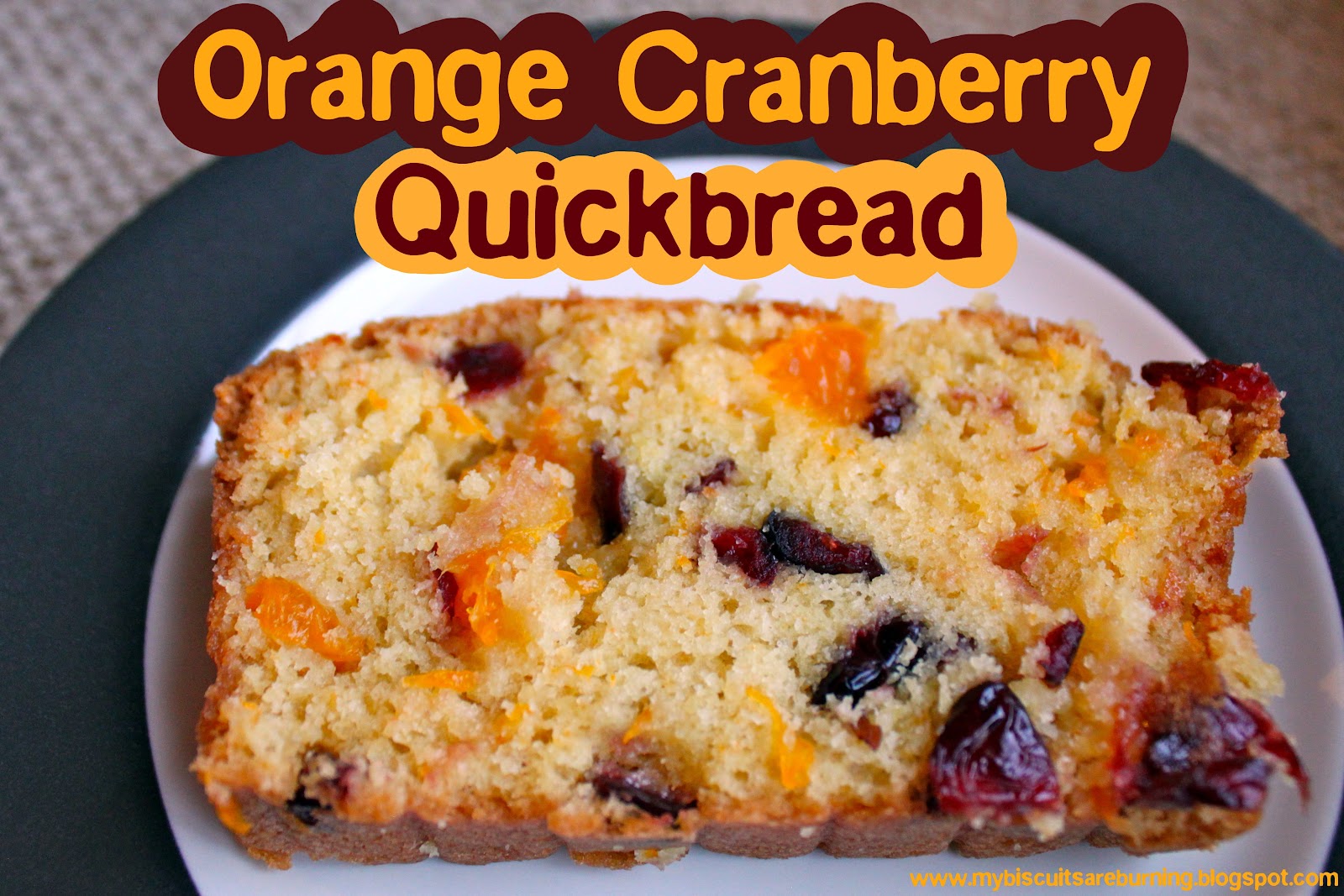
You might also like: Orange Cranberry Quickbread

reade more... Résuméabuiyad

Healthy Chef Recipe: Yam Chocolate Spice Bars


Yam Chocolate Spice BarsFrom Denny:  Here's an interesting twist for the holidays - chocolate chips in your yams!  This is a quick recipe utilizing a spice cake mix, canned sweet potatoes, chocolate chips, real butter and reduced-fat cream cheese to create a delectable but easy to make dessert!

This recipe comes from Holly Clegg who has been a celebrity in Louisiana from some time now.  Why?  She was on the cutting edge of the food trends to reduce calories in our favorite comfort foods while adding nutrition.

Holly's father suffers from arthritis and she has developed a book of recipes to help those with arthritis reduce inflammation through food choices (think watermelon and sweet potatoes).  Holly also has a book on diabetes recipes.  Her mind is always thinking of healthier ways to trim, substitute or re-think our favorite recipes for modern times and health needs.

Louisiana yams and sweet potatoes are quite popular in our state so the local chefs are constantly thinking of new ways to include these vitamin A and vitamin C packed veggies into our everyday diet.  Holly also suggests this recipe is a good way to use up leftover sweet potatoes.

Vintage Bicycle Cookie Jar

Vintage Bicycle, a curious blast from the past, to warmly decorate the present. This design also available in flour and sugar containers, and teapots, cocktail plates, platters, serving trays and bedding, pillows, shower curtain, clocks, area rugs and more!


    Here are a few tips to get you through the holidays from Holly Clegg:
    • 1 cup canned = 1 medium cooked, fresh
    • 1 (16-ounce) can = 1 cup mashed sweet potatoes
    • When using canned sweet potatoes, add at end of recipe
    • Baked sweet potatoes freeze well
    • Store at room temperature


    Yam Chocolate Spice Bars


    Yam Chocolate Spice Bars


    Servings:  48 squares


    Sweet Potatoes: Sweet to Savory

    From:  Holly Clegg for Albertson's grocery stores - and HollyClegg's Site

    Preparation Time:  15 minutes
    Cook Time:  50 minutes 

    "One bite of this incredible fall favorite made with a spice cake mix, yam filling and chocolate chips was a taste sensation. Everyone requested this recipe. Good use for leftover cooked sweet potatoes."

    Ingredients:

    1 box (18.25-ounce) spice cake mix
    1/2 cup butter, melted
    1 egg
    1 package (8-ounce) reduced-fat cream cheese
    1 can (15-ounce) sweet potatoes, drained and mashed
    1 box (16-ounce) confectioners’ sugar
    2 egg whites
    1 tsp vanilla extract
    2/3 cup semisweet chocolate chips

    Directions:

    1. Preheat oven to 350° F. Coat 13x9x2-inch baking pan with nonstick cooking spray.

    2. In mixing bowl, beat together cake mix, butter, and egg until well mixed. Spread batter into prepared pan.

    3. In mixing bowl, beat together cream cheese, sweet potatoes, confectioners’ sugar, egg whites, and vanilla until creamy. Stir in chocolate chips. Pour mixture over batter in pan.

    4. Bake 40-50 minutes or until top is golden brown. Cool to room temperature and cut into squares.
    Terrific Tip: Most bar cookies freeze well, so feel free to make ahead and pull out when you have a craving.

    Nutrition Nugget: You know yams are an excellent source of antioxidant-rich carotenoids because of their deep orange color – great for reducing inflammation.


    Nutritional Information: 

    Calories 134
    Calories from Fat 42
    Total Fat 5g 
    Saturated Fat 3g 
    Cholesterol 12mg 
    Sodium 116mg 
    Total Carbohydrate 22g 
    Sugars 16g
    Protein 2g


    And here is a site for:  Easy DIY Thanksgiving Crafts Kids Can Make


    Writers Thank You Greeting Cards (Pk of 10)


    Elegant lady writer ponders what to write on her scroll.  This design also available as an ornament for your tree or to include with your thank you note as a little gift for the holiday season!


    * * *  Please support Warriors Pearl Foundation - contributing to fund efforts to help homeless female military veterans come home.  Visit Denny Lyon Gifts  @ CafePress.com  -  see what's new!  Thank you for supporting this cause.  You rock!


    Subscribe in a reader to Romancing The Chocolate

    * Check out Dennys News Politics Comedy Science Arts & Food - a place where all my other 20 blogs link so you can choose from among the latest posts all in one place.  A free to read online newspaper from independent journalist blogger Denny Lyon. * 

    * * * Be sure to check out the Romancing The Chocolate Amazon book store for cookbooks on chocolate!

    reade more... Résuméabuiyad

    Pumpkin and Cranberry Dessert Pizza

    I've been playing in the kitchen today and this is the result, Pumpkin and Cranberry Dessert Pizza.  I made this Patriotic Dessert Pizza last summer and was kind of craving it.  But, I thought it would be fun to make a dessert pizza with some fall flavors.

    I decided to combine the flavors of pumpkin pie and cranberry sauce.  Where did I get this crazy idea?  My mom likes to put cranberry sauce on her slice of pumpkin pie.  Honestly, I thought that was kind of weird when I was a kid.  But, many years ago on Thanksgiving, I finally tried some cranberry sauce on my slice of pumpkin pie and I liked it!  I liked the sweet, tanginess of the cranberry sauce mixed with the rich, creamy pumpkin filling along with a big dollop of whipped cream. Yum! 

    Ingredients (printable recipe)
    Crust:
    1 cup flour
    1/4 cup powdered sugar
    1/2 cup butter, softened to room temp
    Filling:
    8 oz. cream cheese, softened 1/2 cup canned pure pumpkin puree 1 1/2 tsp. pumpkin pie spice 1 tsp. vanilla 3 Tablespoons brown sugar (Dark is best!) Dash of salt
    Topping: 
    1/4 cup orange juice
    2 teaspoons cornstarch
    1 (16 ounce) can whole berry cranberry sauce
    Whipped cream, if desired
    Pecans, roasted and coarsely chopped, if desired
    Directions
    Crust:
    In a medium bowl, combine flour, sugar and butter. Form into a ball with hands and press into a 14-inch ungreased pizza pan OR roll out the crust on a pizza stone . Use flour as needed to keep crust from sticking to rolling pin.
    Bake at 325 degrees F. for 15 minutes. Let cool completely.

    Topping:Whisk orange juice and cornstarch together until smooth in a small saucepan. Stir in cranberry sauce. Bring the mixture to a boil over medium heat, stirring all the while. Let the filling boil about 1 minute, then remove from heat and let cool about 10 minutes. Chill in fridge. When chilled, it's ready to spread on pizza.
    Filling:
    Combine cream cheese, pumpkin puree, pumpkin pie spice, vanilla, brown sugar and salt in a large bowl. Using an electric mixer, blend until smooth and creamy.

    Spread the pumpkin pie cream cheese filling on top of cooled crust. Then, spread the chilled cranberry topping on top of the pumpkin cream cheese (I saved a few Tablespoons to garnish my dessert plates). Slice and garnish with whipped cream and chopped pecans, if desired. Store any extra pizza in the refrigerator.

    *Notes:  I think this dessert pizza tastes best after it's been chilled in the refrigerator for a few hours.

    Inspired by these recipes: 
    Creamy Pumpkin Pie with Cranberry Topping from Spoonful---originally from Family Fun Magazine (I used the cranberry topping recipe)
    Strawberry Pizza from You Homebased Mom (I used the crust recipe)
    Pumpkin Pie Cream Cheese from My Biscuits are Burning
      
    I made the cranberry topping first and let it chill in the fridge while I worked on the rest of this dessert.
    All you need is a pair of hands to mix together the crust. So simple! I just needed a little extra flour to keep the dough from sticking to the rolling pin when I rolled it out onto the pizza stone.
    When the crust is cooked, it looks like a giant sugar cookie. But, it isn't super sweet like a sugar cookie. It is more buttery and flaky with a hint of sweetness.
    The pumpkin pie cream cheese. This stuff is great on bagels, too!
    First, spread on the pumpkin pie cream cheese.
    Then, spread the cranberry topping on top of the pumpkin pie cream cheese. I used all but a few Tablespoons of cranberry topping that I saved to garnish the dessert plates---and then, forgot to use it!
    Garnish the slices with some whipped cream and chopped pecans, if you like.
    You can see that the cranberry topping is a little runny. It sets up more when you let this pizza chill in the refrigerator. I cut this piece right after I made it.
    The Results... 
    Pumpkin and Cranberry Dessert Pizza did combine the delicious flavors of sweet, tangy cranberry sauce and rich, creamy pumpkin pie filling on top of a buttery, flaky crust.  The kids liked this dessert just as much as I did!  They gave it 4 1/2 stars (out of 5).  It definitely tastes best after it has a few hours to chill in the refrigerator.  The kids liked it with whipped cream, but not with pecans on top.  Playing in the kitchen paid off today!


    I share recipes at these link parties.
    reade more... Résuméabuiyad